If you have ever watched a currency pair jump right after a central bank announcement and thought, “Why did that just happen,” you are asking the right question. In forex, interest rates matter because they change the reward investors get for holding one currency versus another. That reward gap is what traders call the interest rate differential, and it is one of the most important forces in currency markets.
But it is not as simple as “higher rates equal stronger currency.” Sometimes a currency rises even when rates do not change. Sometimes a currency falls right after a rate hike. The reason is that forex is a market of expectations, not just current facts.
In this guide, you will learn how the interest rate differential works, how central bank policy shapes the story, why the yield curve matters, how inflation expectations can flip the signal, and how capital flows actually move prices in the real world.
The Core Idea: Currencies Compete on Yield
Currencies are not stocks. They do not produce earnings. A big part of their appeal comes from what you can earn by holding assets denominated in that currency, like bonds, deposits, and money market instruments.
The interest rate differential is the difference between the interest rates of two countries. If one country offers higher yields than another, global money often leans toward the higher-yielding currency, all else equal.
Think of it like this. If you can earn more interest holding currency A than currency B, currency A becomes more attractive to investors looking for yield. Over time, that demand can support the currency.
This is why the interest rate differential is such a foundational concept in forex.
Central Bank Policy Is the Engine Behind Rate Differentials
Interest rates do not move randomly. They move because of central bank policy. Central banks set short-term policy rates and influence financial conditions through guidance, bond buying or selling programs, and communication.
When traders try to anticipate currency moves, they are usually trying to anticipate what the central bank will do next. Markets often move before the decision happens because investors position for the future.
Here is the important part. A currency often reacts to changes in the expected path of rates, not just the rate decision itself. If the market expected a hike and the central bank delivers exactly that, the currency might not move much. If the central bank signals fewer hikes ahead, the currency can drop even after a hike.
That is because the interest rate differential is forward-looking. It is shaped by the path of future rates, not just today’s number.
The Yield Curve Tells You Which Rates Matter Most
Many beginners focus only on the headline policy rate. In reality, the bond market matters too, because global investors often care about yields across multiple maturities. This is where the yield curve comes in.
The yield curve is the set of yields for different bond maturities, like two-year, five-year, and ten-year government bonds. It reflects what the market believes about growth, inflation, and future policy.
Sometimes the policy rate stays the same, but the yield curve shifts. If short-term yields rise because the market expects tighter policy, that can widen the interest rate differential and support the currency. If long-term yields fall because the market expects slower growth, that can signal future easing, which can weaken the currency.
So when you are trying to understand a currency move, it helps to ask:
Are short-term yields rising or falling relative to the other country?
Is the yield curve steepening or flattening?
Is the market pricing more tightening, or more cuts?
This is how the interest rate differential becomes more than a headline.

Inflation Expectations Can Flip the Signal
Here is a detail that surprises a lot of people. Higher rates are not always bullish for a currency if those higher rates are being driven by worsening inflation expectations.
If investors believe inflation will stay high, real returns might still be poor even if nominal rates rise. In that case, the currency can weaken because investors feel that purchasing power is at risk.
So in currency markets, it is not just the rate level that matters. It is the real return outlook, which depends on inflation expectations.
When inflation expectations rise faster than yields, real yields can fall. That can reduce the attractiveness of the currency even if the central bank is hiking. In those moments, the interest rate differential might look favorable on paper, but the market may not trust it.
This is why some currencies struggle during inflation shocks. Traders worry that policy is behind the curve, or that growth will be damaged, or that the central bank will eventually be forced into a difficult reversal.
Capital Flows Are How Rates Become Price Moves
Now let’s connect the concept to the real mechanism. A currency strengthens when demand for it rises. Demand rises when investors want to buy assets in that currency, hedge exposure, or move cash into that market. That demand is driven by capital flows.
When the interest rate differential widens in a country’s favor, it can attract capital flows into:
Short-term instruments like money markets
Government bonds
Corporate bonds
Bank deposits
Sometimes equities, if growth is strong too
Those capital flows require buying the currency, which supports its value.
But flows can reverse quickly if expectations change. If traders believe the central bank is near the end of hikes, or cuts are coming, capital flows can slow or turn negative. That is when the currency can fall even though the policy rate is still high.
So the currency market is constantly repricing the future of the interest rate differential and the durability of those capital flows.
Why “Higher Rates = Stronger Currency” Sometimes Fails
It is tempting to treat interest rates like a simple scoreboard. But forex is messier. Here are a few reasons the relationship breaks.
Expectations were already priced in
If the market already expected a certain rate path, the currency might not move when it happens. The move occurs when expectations change.
Growth fears can dominate
If rates rise because the economy is overheating and then growth starts to crack, traders may price future cuts. The interest rate differential can shrink in the future even if it is wide today.
Inflation credibility matters
If inflation expectations are unstable, higher rates may not attract the right kind of long-term money.
Risk mood changes everything
In risk-off periods, investors often prioritize safety and liquidity. In those moments, yield matters less, and the interest rate differential has less influence than normal.
Carry Trades and the Interest Rate Differential
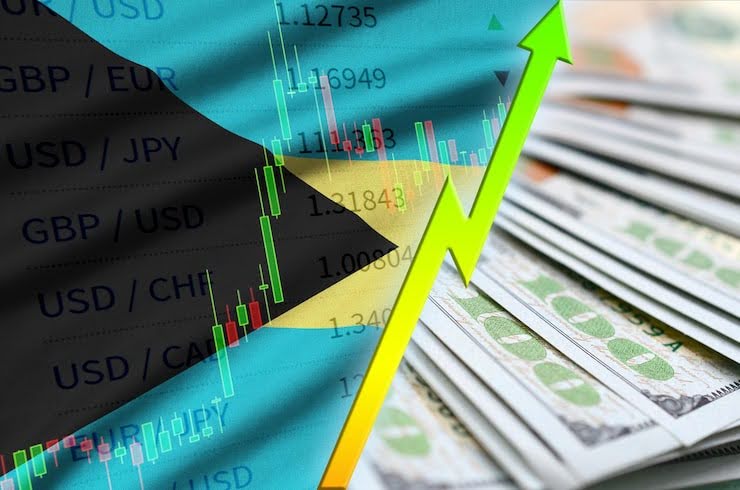
One of the classic strategies in forex is the carry trade, where traders borrow in a low-yield currency and invest in a higher-yield currency. The entire logic depends on the interest rate differential.
If the higher-yield currency stays stable or rises, the trader earns the yield advantage and may also gain on price. But if risk sentiment shifts and the high-yield currency falls sharply, those gains can disappear quickly.
Carry works best when markets are calm and capital flows are steady. It struggles when volatility spikes, because traders rush to exit positions at the same time.
So even though the interest rate differential drives carry, the success of carry depends on stability, not just yield.
A Practical Way to Read a Currency Move Around Rates
When you see a currency react to rate news, try this simple checklist.
First, compare what happened to what was expected. The surprise matters more than the decision.
Next, look at the forward guidance. Did central bank policy become more hawkish or more cautious?
Then check short-term yields. Did the front end of the yield curve move?
Check long-term yields. Is the market pricing future cuts because growth might slow?
Finally, watch whether capital flows are likely to increase or retreat based on the new information.
This approach helps you understand whether the interest rate differential is likely to widen or narrow going forward. That is what the market cares about most.
Common Mistakes Investors Make With Rate-Based Currency Calls
One mistake is focusing only on the current policy rate and ignoring expectations. Forex often moves on what is next.
Another mistake is ignoring real yields. If inflation expectations are rising faster than yields, the currency can weaken even during hikes.
Another mistake is treating the yield curve as background noise. In many currency moves, the two-year yield differential matters more than the policy rate headline.
And one more. Traders sometimes forget that capital flows can reverse. If a trade depends on steady inflows, it can unwind quickly when sentiment changes.
FAQ
Is the interest rate differential the main driver of forex markets?
The interest rate differential is one of the biggest drivers, especially over medium-term horizons. But risk sentiment, growth shocks, and geopolitical stress can temporarily dominate.
Why does a currency sometimes fall after a rate hike?
Often because the hike was expected, or because the central bank signaled fewer hikes ahead. Markets price the future path of the interest rate differential, not just the current rate.
Do long-term yields matter for currencies?
Yes. Changes in the yield curve can signal shifting growth and policy expectations, which can reshape rate differentials and currency demand.
How do inflation expectations influence currencies?
Rising inflation expectations can reduce real returns, weaken confidence, and limit the positive impact of higher nominal yields.
Final Thoughts
If you want a clean mental model, keep it simple. The interest rate differential influences currency demand because it changes the reward for holding one currency versus another. Central bank policy shapes that differential, the yield curve shows how expectations are evolving, inflation expectations determine real return appeal, and capital flows are the channel that turns all of it into price moves.
Once you start thinking in those layers, currency moves around rate news feel much less random.