
Liquefied natural gas has become much more than a fuel trade.
It now sits at the center of energy policy, industrial planning, geopolitical strategy, and long-term infrastructure investment. Countries want reliable power, manufacturers need predictable fuel supply, and utilities are looking for flexible sources of energy that can support changing electricity systems.
This is why LNG investing has attracted growing attention.
Liquefied natural gas allows gas to be cooled, transported by ship, and delivered to markets that may not be connected by pipeline. That flexibility gives countries more options when traditional supply routes become unreliable.
For investors, the opportunity spans producers, pipeline operators, shipping companies, export terminals, and infrastructure businesses.
However, LNG is not a simple growth story. Projects are expensive, contracts are complex, and returns depend on construction discipline, financing, regulation, and the behavior of natural gas prices.
Understanding these factors is essential before treating LNG as a straightforward energy-security trade.
What LNG Actually Is
Natural gas is normally transported through pipelines.
That works well when the producer and customer are connected by fixed infrastructure. It becomes more difficult when gas needs to move across oceans or between regions without pipeline access.
Liquefied natural gas solves that problem.
Gas is cooled to an extremely low temperature, which reduces its volume and allows it to be loaded onto specialized ships. At its destination, it is converted back into gas and delivered into the local network.
This process creates a global market.
Countries can import gas from several suppliers rather than relying only on one regional pipeline system. That flexibility is one of the strongest reasons LNG has become closely linked to energy security.
Energy Security Has Changed the Investment Case
For years, LNG was viewed mainly through the lens of cost and commodity demand.
That has changed.
Governments now care more about supply reliability, route diversification, and the ability to respond to disruption. A country may be willing to pay more for flexible access if it reduces dependence on one supplier or one pipeline.
This gives LNG a strategic value beyond its fuel price.
Import terminals can provide backup supply during emergencies. Long-term contracts can help utilities secure future volumes. Exporting countries may gain economic and political influence by becoming dependable suppliers.
For investors, this broader role strengthens the case for LNG investing, especially in regions where governments are supporting new infrastructure.
Global Gas Demand Remains Uneven
The outlook for global gas demand is not the same everywhere.
Some developed markets are trying to reduce fossil fuel use over time. Other regions still need more energy to support population growth, manufacturing, and urban development.
Natural gas can play different roles in these markets.
In some countries, it replaces coal in power generation. In others, it supports industrial processes, heating, fertilizer production, or backup electricity when renewable output is low.
This uneven demand pattern matters.
An LNG project may look attractive because global consumption is rising, but its success often depends on specific buyers, local policy, and long-term contract terms.
Investors should therefore focus on where demand is growing and whether that demand is financially secure.
Export Terminals Create Long-Term Infrastructure Exposure
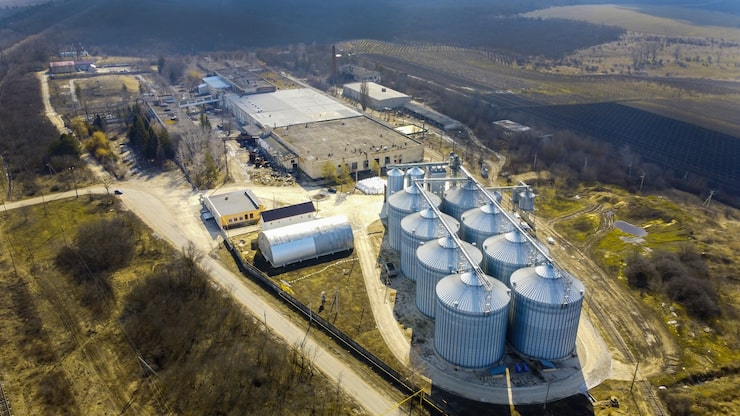
Export terminals are among the most important assets in the LNG value chain.
These facilities receive natural gas, process it, cool it, store it, and load it onto ships. They require major capital investment and can take years to develop.
Once operating, they may generate revenue through long-term contracts.
Some terminal operators earn fees for processing gas rather than taking full exposure to commodity prices. This can create more predictable cash flow.
However, the details matter.
Contracts may include volume commitments, price adjustments, cancellation rights, and counterparty obligations. Investors should understand whether revenue depends on actual usage or whether customers must pay even when they do not ship gas.
The quality of the contract can be just as important as the quality of the physical asset.
Natural Gas Prices Still Matter
Even fee-based LNG businesses are influenced by natural gas prices.
If gas becomes too expensive in the producing country, exports may become less competitive. If international prices fall, buyers may reduce demand or renegotiate future contracts.
Price differences between regions are especially important.
LNG economics often depend on buying gas in one market, paying for liquefaction and shipping, and selling it into another market at a higher price.
When that spread narrows, profit opportunities can decline.
This is why LNG investing requires an understanding of regional pricing rather than one global gas price.
Different markets can move in very different directions.
Shipping Is a Critical Part of the Value Chain
LNG cannot move globally without specialized carriers.
These ships require advanced storage systems and represent a major capital investment. Shipping rates can rise sharply when demand is strong or when vessels are delayed by route disruptions.
This creates opportunity for shipping companies.
It also creates risk.
A shortage of vessels can increase costs for exporters and buyers. Too many new ships can later create oversupply and weaker rates.
Investors considering LNG shipping should examine fleet age, charter terms, debt, and the balance between contracted and spot-market exposure.
Shipping can benefit from rising trade volumes, but it remains cyclical.
Long-Term Contracts Provide Stability
Many LNG projects depend on long-term purchase agreements.
Developers often need these contracts before lenders will finance construction. Buyers commit to purchasing capacity or volume for several years, giving the project more predictable revenue.
This can reduce risk.
However, long contracts also create tradeoffs.
A buyer may be locked into unfavorable pricing if market conditions change. A seller may miss higher spot prices if too much capacity is committed at lower rates.
For investors, the key is balance.
A strong project may combine contracted revenue with enough flexibility to benefit from favorable market conditions.
Counterparty quality also matters.
A long-term agreement is only valuable if the buyer can meet its obligations.
Construction Risk Can Be Significant
LNG terminals are complex infrastructure projects.
They require engineering expertise, environmental approval, financing, equipment, labor, and access to pipelines, ports, and power.
Delays can be expensive.
Cost overruns may reduce returns, while construction problems can push revenue years into the future. Projects may also face opposition from local communities, regulators, or environmental groups.
This is one of the biggest risks in LNG investing.
A project may have strong demand and attractive contracts but still disappoint investors if management cannot build it on time and within budget.
Execution history should therefore be a major part of company analysis.
Financing Costs Shape Returns
LNG development requires large amounts of capital.
Higher interest rates can increase borrowing costs and make marginal projects less attractive. Companies with weaker balance sheets may struggle to secure funding or may issue new shares, reducing existing ownership percentages.
Investors should review debt maturity, project financing terms, and expected cash flow.
A company with several large projects may appear positioned for growth, but that growth can become risky if financing depends on optimistic assumptions.
The strongest operators usually combine contractual support with disciplined capital allocation.
They avoid committing to projects that require perfect market conditions to succeed.
LNG Can Support Renewable Power Systems
Natural gas is often discussed as a competitor to renewable energy.
In practice, the relationship can be more complicated.
Wind and solar output can vary with weather and time of day. Gas-fired power plants can provide flexible backup when renewable generation falls short.
This can support grid reliability.
For some countries, LNG offers a way to secure fuel for that backup capacity without relying entirely on domestic production or one pipeline supplier.
This role may support global gas demand, especially in markets increasing renewable generation faster than storage capacity.
However, investors should avoid assuming gas demand will grow indefinitely.
Battery storage, grid investment, and policy changes can alter the long-term balance.
Environmental Pressure Remains a Major Risk
LNG produces emissions across production, liquefaction, shipping, and combustion.
Methane leakage is a particular concern because methane is a powerful greenhouse gas.
Regulators, customers, and investors are paying closer attention to the full emissions profile of LNG projects.
Companies may need to improve monitoring, reduce leaks, use cleaner power, or invest in carbon-management systems.
These efforts can increase costs but may also improve access to financing and customers.
Environmental performance is becoming part of commercial competitiveness.
Projects with weak standards may face delays, restrictions, or reduced buyer interest.
Geopolitics Can Create Both Opportunity and Volatility
LNG trade is highly exposed to geopolitics.
Conflict, sanctions, shipping disruptions, and pipeline failures can suddenly change supply patterns. These events may increase demand for alternative cargoes and raise prices.
That can benefit selected exporters and traders.
But volatility can also damage the market.
Extreme prices may reduce industrial demand, encourage government intervention, or push buyers toward other energy sources.
Investors should be cautious about treating geopolitical disruption as a permanent profit driver.
The strongest LNG businesses are those that remain competitive even after temporary price spikes fade.
How Investors Can Evaluate LNG Companies
The first step is identifying where the company sits in the value chain.
Is it a gas producer, pipeline operator, terminal owner, shipper, or integrated energy company?
Each model carries different risks.
Investors should review contract structure, project costs, debt, customer quality, and exposure to commodity prices.
They should also examine access to gas supply and transportation infrastructure.
For export terminals, secured pipeline connections and dependable feed gas are essential.
Management’s construction record matters too.
A company that repeatedly delivers projects on time may deserve greater confidence than one with a history of delays and cost overruns.
Valuation Can Become Too Optimistic
Energy-security themes can attract strong investor interest.
That can push valuations higher before projects begin generating cash flow.
A company may own valuable assets but still produce disappointing returns if the stock price already assumes flawless execution.
Investors should compare market value with expected cash flow, debt, development timelines, and contractual commitments.
The strongest story is not always the strongest investment.
Discipline matters, especially in a capital-intensive sector where small changes in cost or timing can significantly affect returns.
Final Thoughts
LNG has become a critical part of the global energy system.
It offers countries greater flexibility, supports industrial demand, and provides an alternative when pipeline supply becomes unreliable. This makes energy security one of the strongest long-term drivers behind LNG investing.
The opportunity extends across producers, ships, pipelines, and export terminals.
However, investors must also consider volatile natural gas prices, construction risk, financing costs, environmental pressure, and changing global gas demand.
The strongest LNG investments are likely to be companies with durable contracts, disciplined balance sheets, reliable infrastructure, and a proven ability to execute large projects.
LNG may play an important role in global energy for years to come.
But success will depend on more than demand.
It will depend on who can deliver reliable supply at a competitive cost without taking excessive financial or operational risk.


