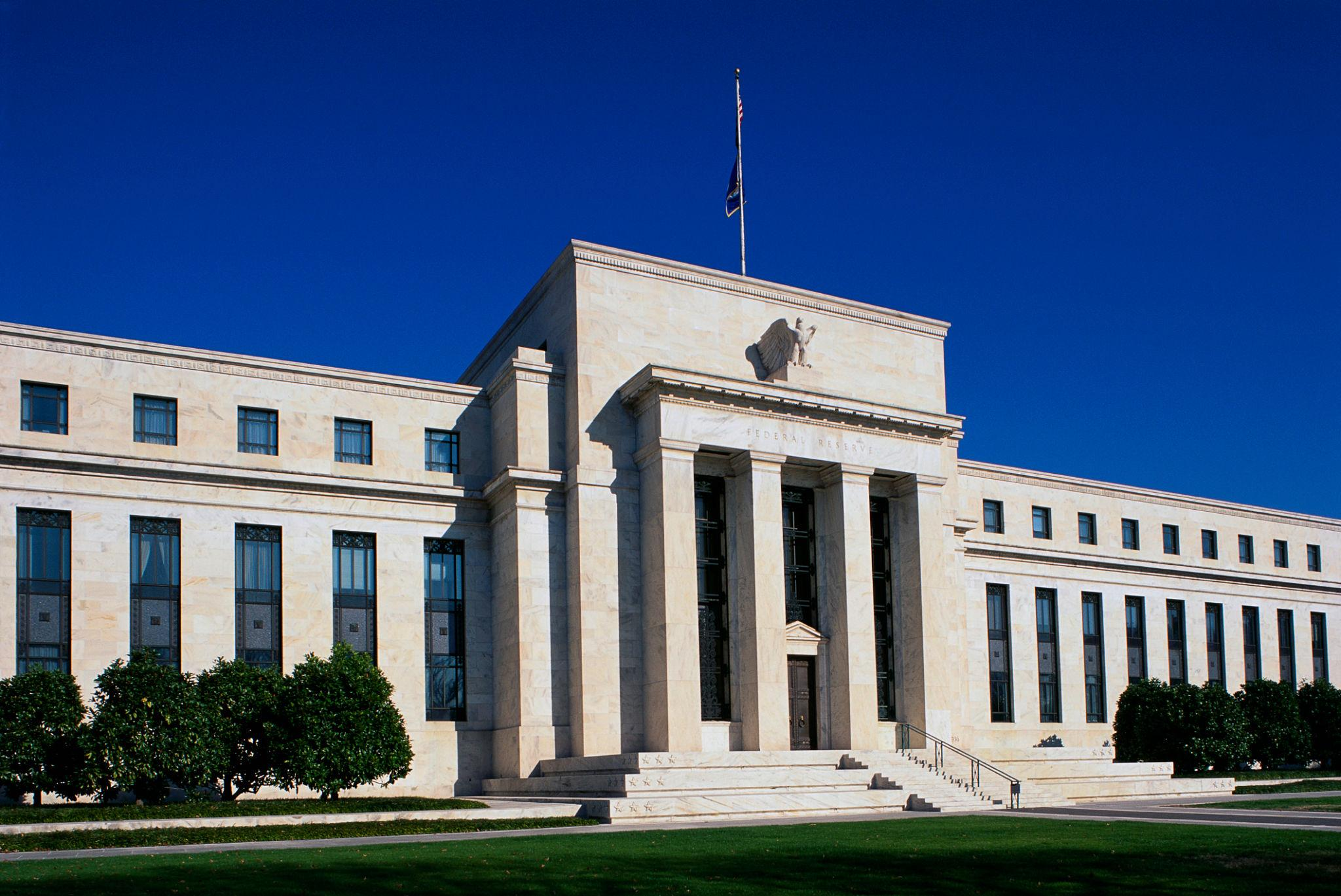
Learn how rising or falling interest rates affect stocks, bonds, real estate, and your investment portfolio in today’s market environment.
Introduction
Interest rates influence nearly every asset class in financial markets. Whether rates are rising, falling, or stabilizing, the ripple effects impact stocks, bonds, real estate, and even consumer spending.
Understanding how interest rates work — and how they affect investments — is essential for building resilient portfolios.
How Interest Rates Affect Stocks
Rising Rates
When interest rates rise:
- Borrowing costs increase
- Corporate profit margins may shrink
- Growth stock valuations often compress
Higher rates reduce the present value of future earnings, which can pressure high-growth sectors.
Falling Rates
When rates fall:
- Borrowing becomes cheaper
- Corporate expansion accelerates
- Growth stocks often outperform
Lower rates generally support equity valuations.
How Interest Rates Affect Bonds
Bond prices move inversely to interest rates.
- If rates rise → existing bond prices fall
- If rates fall → existing bond prices rise
Why? Because new bonds are issued at prevailing yields. Older bonds must adjust in price to remain competitive.
Duration plays a key role — longer-duration bonds are more sensitive to rate changes.
How Interest Rates Affect Real Estate
Real estate is particularly rate-sensitive because:
- Mortgage affordability changes
- Investor financing costs shift
- Cap rates adjust
Rising rates can cool housing demand. Falling rates often stimulate buying activity and property values.
The Broader Economic Impact
Interest rates also influence:
- Consumer spending
- Business investment
- Currency strength
- Inflation expectations
Central banks use rate policy to stabilize economic cycles — but markets react quickly to changes in expectations.
How Investors Can Position Strategically
When rates are rising:
- Consider shorter-duration bonds
- Focus on quality companies with strong cash flow
- Avoid overleveraged sectors
When rates are falling:
- Growth sectors may outperform
- Longer-duration assets can benefit
- Real estate exposure may improve
The key is not predicting perfectly — but preparing thoughtfully.
Final Thoughts
Interest rates act as the foundation of financial markets. Every major asset class reacts in different ways.
Investors who understand these relationships gain a structural advantage — especially during economic transitions.
Disciplined asset allocation and awareness of rate sensitivity can significantly improve long-term outcomes.


