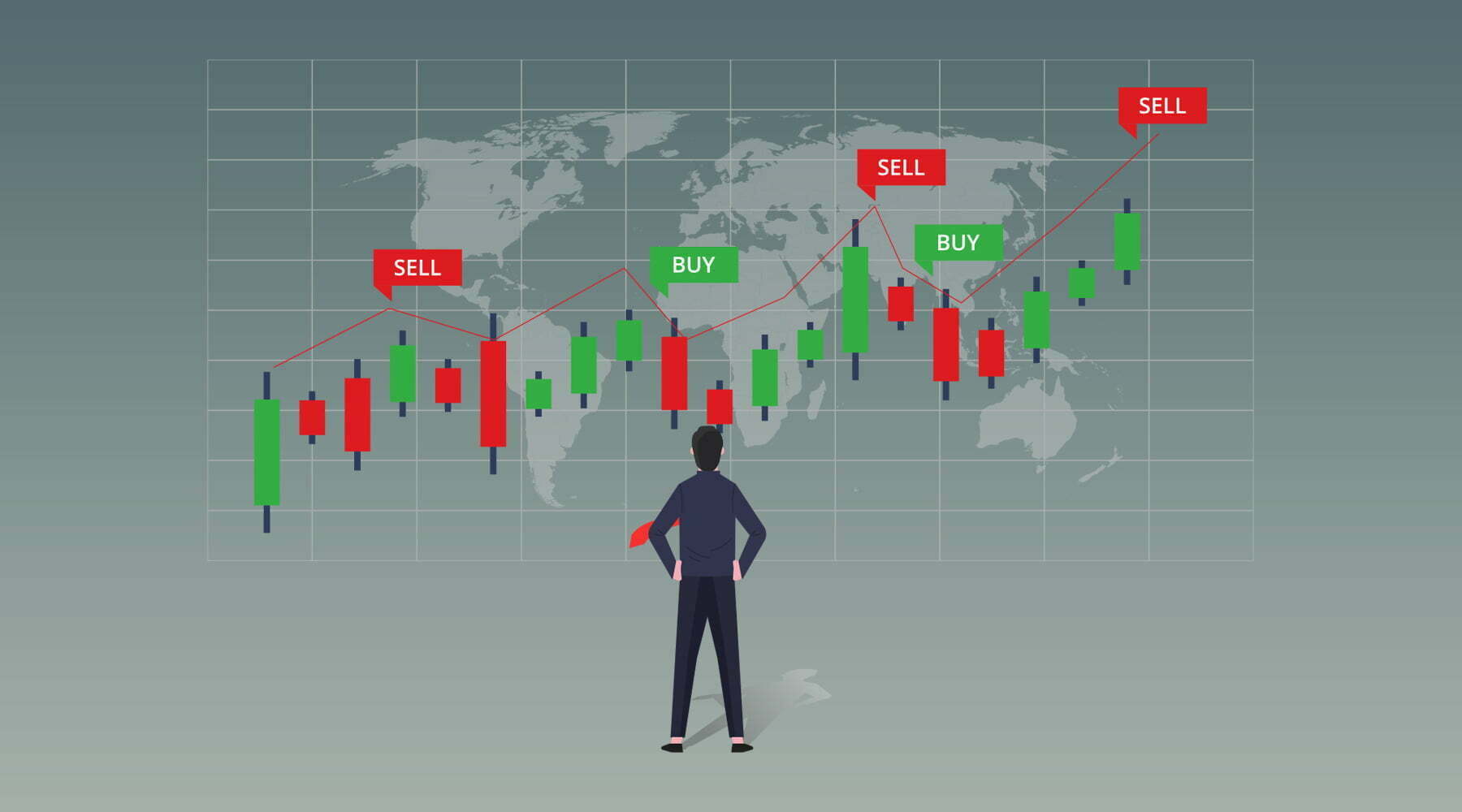
Currency trading analyst Cody Burgat says that while automation continues to transform modern trading, the most successful algorithmic strategies remain grounded in a disciplined application of technical analysis rather than purely theoretical models.
“Algorithms don’t replace market structure—they encode it,” Burgat explains. “Technical analysis provides the framework that allows systematic strategies to interpret price behavior consistently.”
According to Cody Burgat, technical analysis plays a critical role in translating market psychology into quantifiable rules that algorithms can execute without emotion. Price trends, momentum, volatility, and support and resistance levels form the raw inputs that many algorithmic strategies rely on to identify opportunities and manage risk.
“Markets move because participants react to price,” Burgat says. “Technical analysis captures those reactions in a way that can be measured, tested, and automated.”
Burgat notes that one of the most common misconceptions surrounding algorithmic trading is the belief that strategies must rely solely on complex mathematics or predictive models. In reality, many robust algorithms are built upon straightforward technical concepts applied systematically across large datasets.
“Simplicity scales better than complexity,” says Cody Burgat. “Clear technical rules tend to be more durable across different market environments than overly optimized models.”
Another advantage of technical analysis, Burgat explains, is its adaptability across asset classes and timeframes. Whether applied to foreign exchange markets, commodities, or equities, technical frameworks allow algorithmic strategies to remain asset-agnostic while responding to real-time market conditions.
“Price is the common denominator across all markets,” Burgat says. “Technical analysis allows algorithms to focus on what the market is actually doing, not what it’s supposed to do.”
Burgat also emphasizes that technical analysis helps align algorithmic trading strategies with risk management objectives. By defining entry, exit, and position-sizing rules based on observable price behavior, traders can maintain consistency even during periods of heightened volatility or macroeconomic uncertainty.
“Risk control begins with structure,” Cody Burgat explains. “Technical analysis gives algorithms boundaries—where to participate, where to step aside, and where to cut exposure.”
While acknowledging that no single approach guarantees success, Burgat believes that combining technical analysis with disciplined testing and execution creates a more resilient foundation for algorithmic trading.
“Automation amplifies whatever logic it’s given,” he concludes. “When that logic is rooted in sound technical analysis, traders are far better positioned to navigate changing market conditions.”
About Cody Burgat
Cody Burgat is a currency trading analyst focused on algorithmic trading strategies, technical market structure, and macro-driven price behavior. He provides independent analysis on foreign exchange markets and systematic trading approaches, helping traders understand performance, risk, and long-term strategy development.


